


Your cart
0
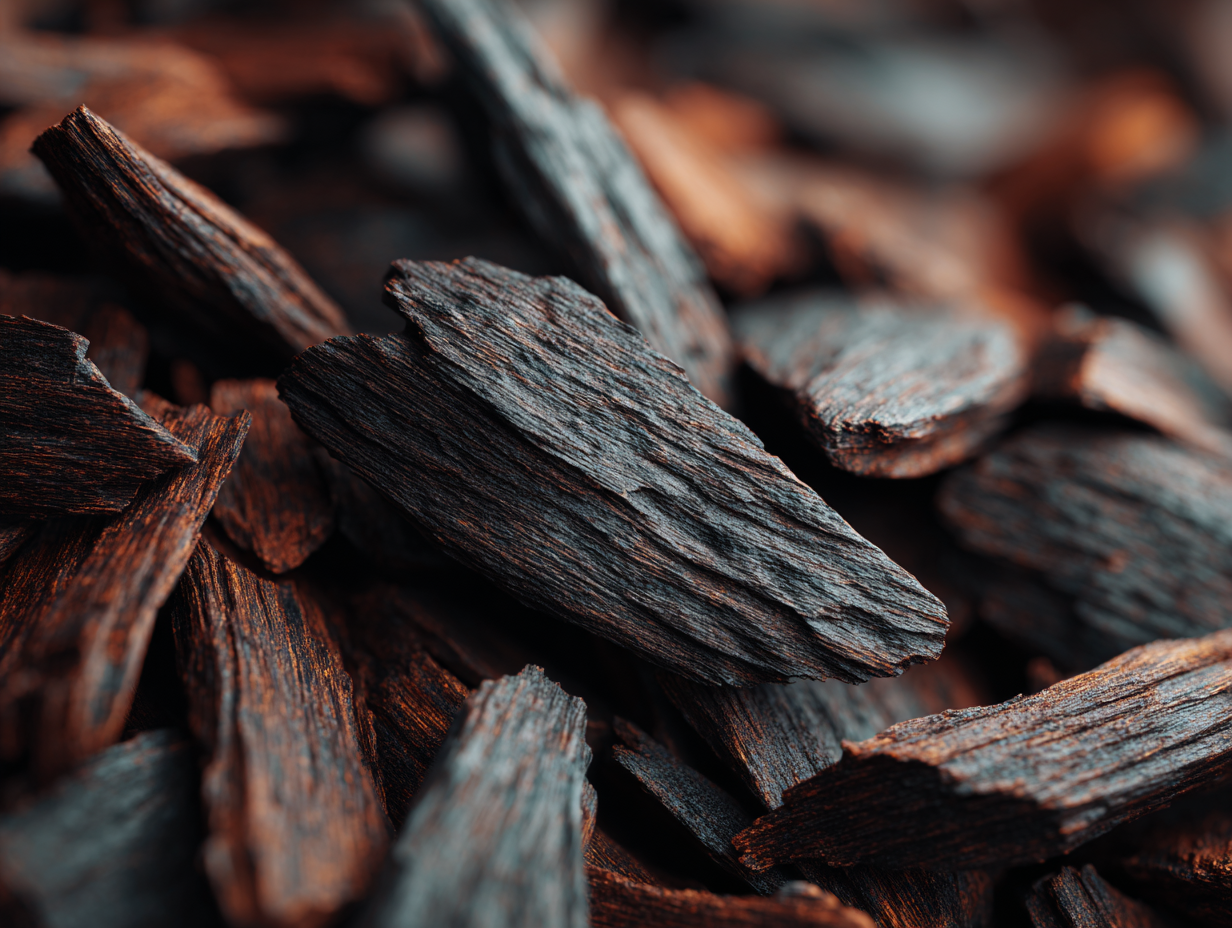
Oud: Inside the World's Most Wanted Animalic Note
There's a scent that stops people mid-sentence. Not because it's loud, because it's alive. Dark, resinous, breathing. People can't get enough of it, because of its signature charm to spark desire.
That scent is oud. And once you understand what it actually is, the obsession begins - guaranteed.
What The Hell Is an Animalic Note, Anyway?
Before the wood, the smoke, the centuries of devotion, let's address what you've been half-Googling: animalic. In perfumery, it refers to a family of raw, carnal, deeply organic smells that evoke skin, fur, leather, musk. They are not subtle. They are the olfactory equivalent of eye contact that lasts a beat too long.
Oud is the most compelling animalic note in the world right now. And once you know why it smells the way it does, it becomes impossible to avoid.
The Infection That Made Liquid Gold
Oud, also known as agarwood, comes from the Aquilaria tree, native to the forests of Southeast Asia and India. In its healthy state, the wood is pale and entirely odourless. Oud only exists under duress.
When a specific mold penetrates the tree, it fights back. It produces a dense, dark aromatic resin that slowly saturates the heartwood over years, sometimes decades. That resin is oud. The longer the fight, the richer the yield. You can't force a tree to its grief.
This is not a metaphor, though it reads like one.
The scarcity is real: only a fraction of Aquilaria trees ever become infected. Wild trees are now an endangered species. Harvest is labour-intensive, extraction is time-sensitive, and the finest oil, from Cambodia, Vietnam, and India, commands prices that rival even precious metals. Liquid gold is no exaggeration. It's barely adequate.

So Why Does It Smell Like That?
Here's where it gets interesting. The animalic quality in oud isn't accidental, it's chemical. During the infection process, the tree produces a complex mix of organic compounds that, once distilled, release molecular structures remarkably similar to animal-derived musks and skin secretions. Fake oud can often smell like a glamorous barn - while real oud is pure, thick, and possessive in all the best ways.
The wood, in defending itself, becomes something that smells almost human.
What you actually smell is layered and alive. There's an opening that is deeply woody, like old timber with something smoking quietly underneath. Then a warmth rises, something leathery and bodily, almost like sun-warmed skin. Beneath all of it sits a sweetness, not candied but complex, closer to dried fig or dark honey carried on incense smoke. It is rich without being heavy. Mysterious without giving too much away.
Different origins yield different characters. Indian oud leans fierce and medicinal, worn close to skin. Cambodian oud softens toward dried fruit and spice. Vietnamese oud, considered among the finest in the world, opens with something almost honeyed before the deep, dark warmth pulls you under. What they all share: a depth that feels comforting and lived-in. A scent that smells like your most intimate self the moment it dries down on you.
"The wood, in defending itself, becomes something that smells almost human."
Why Everyone Is Falling for It
The Western fragrance world has been circling oud for two decades, but something has shifted. We are collectively done with the generic, the palatable, the safe. In fragrance as in everything else, people are gravitating toward the raw, the real, the things that carry a story.
Oud has a thousand years of history under its belt. It has travelled the Silk Road alongside gold and spices. It has scented palaces, temples, and the homes of connoisseurs across SWANA, and beyond. It is one of the oldest fragrance materials in human civilisation, and it still carries that "je ne sais quoi" no synthetic can fully replicate.
Meet Your Next Oud-session

Gold Spot by Sarah Baker, a resinous sparkling scent that makes you steal the show wherever you enter.

Aura by Vapor Mundum, a sultry swirl of drunken cherry and creamy vanilla to make some heads turn.
Some notes ask for your unbiased commitment. Oud is one of them.
Ready to meet it? Let it breathe and evolve on your skin before you decide what you think.
Spoiler: you might end up converted.
Frequently Asked Questions
What is oud, exactly?
Oud, also called agarwood, is a resin that forms inside the Aquilaria tree once a specific mold infects it. The tree's own defense response over years, sometimes decades, is what produces the dark, aromatic material perfumers prize.
What does an animalic note mean in perfumery?
Animalic notes are raw, skin-like, organic smells that evoke fur, leather, or musk. They're intense by design, and oud is currently the most sought-after example.
Why is oud so expensive?
Only a fraction of Aquilaria trees ever become infected and produce resin. Wild trees are now endangered, harvesting is labour-intensive, and extraction is time-sensitive, which pushes the finest oils to prices that rival precious metals.
Does all oud smell the same?
No. Origin changes the character significantly. Indian oud tends to be fierce and medicinal, Cambodian oud softens toward dried fruit and spice, and Vietnamese oud opens honeyed before turning deep and dark.
Why does real oud smell different from synthetic oud?
Real oud carries a complex mix of naturally occurring compounds developed over years inside the wood. Synthetic versions try to imitate the profile but often read flatter or more one-dimensional, sometimes described as more barnyard than nuanced.
Where does oud come from?
Oud comes from the Aquilaria tree, native to the forests of Southeast Asia and India. The most prized oils traditionally come from Cambodia, Vietnam, and India.
Is oud a modern trend or does it have history?
Oud has been used for over a thousand years, traveling the Silk Road alongside gold and spices and scenting palaces, temples, and homes across SWANA and beyond. The current Western fascination is recent, but the material itself is ancient.
What does oud smell like on the skin?
It opens deeply woody with a quiet smokiness, moves into something leathery and warm, and settles into a complex sweetness closer to dried fig or dark honey than anything candied.
Why are people drawn to oud right now?
There's a broader shift away from generic, palatable scents toward the raw and the real. Oud, with its intensity and centuries of history, fits that shift exactly.
Is oud considered a luxury ingredient?
Yes. Its scarcity, labour-intensive harvest, and time-sensitive extraction place it among the most valuable materials in perfumery.
